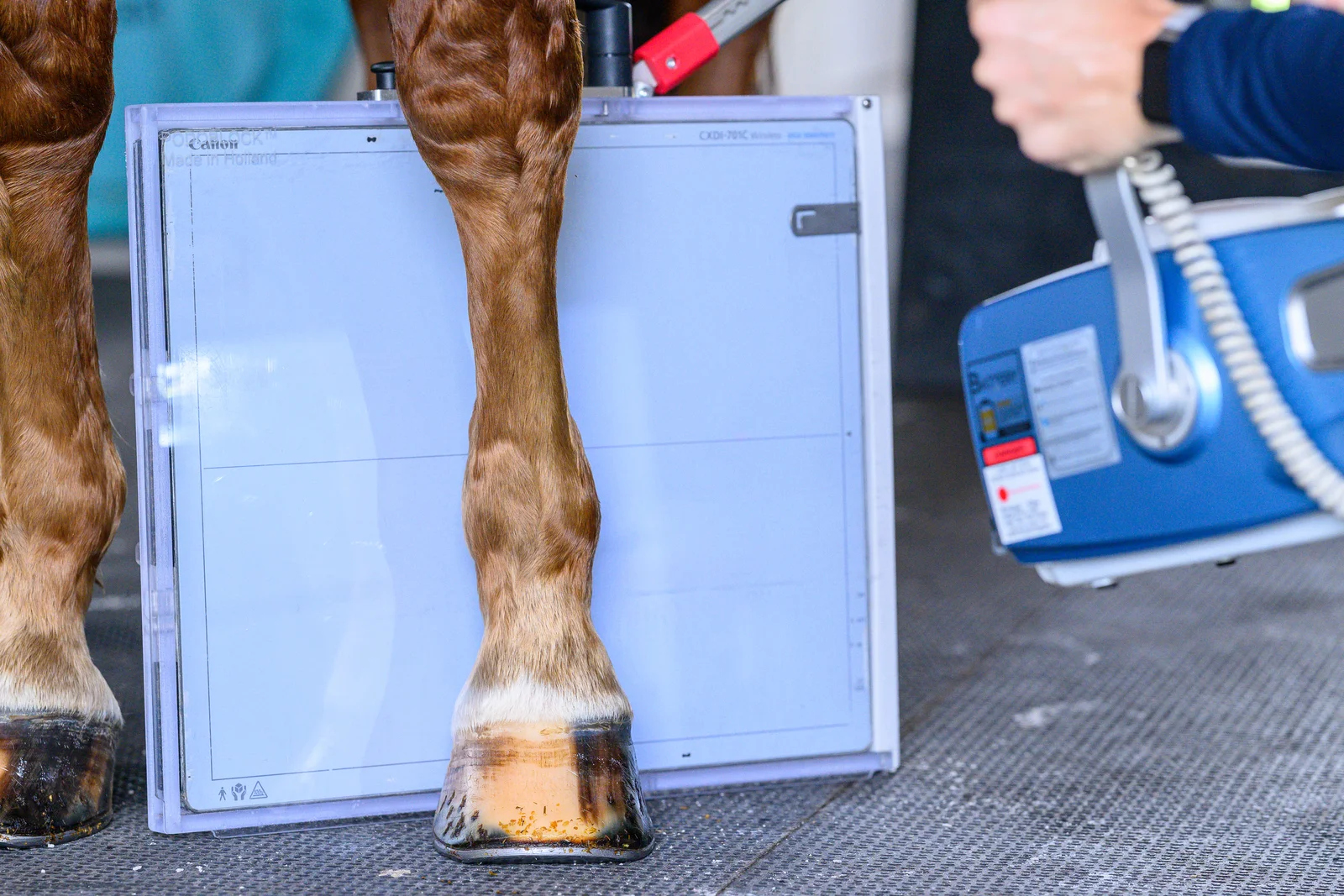
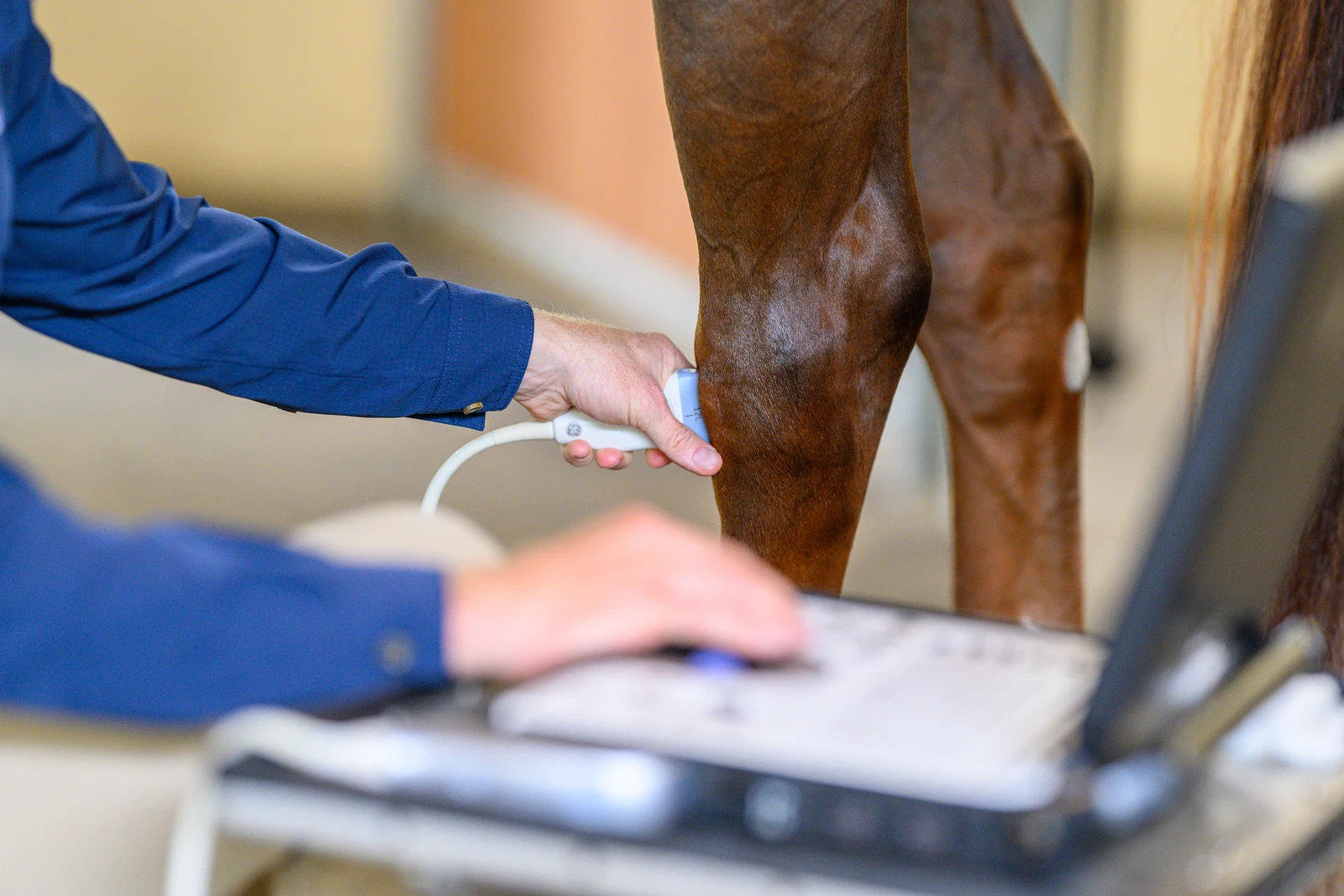
A cloud imaging archive should do more than make a study visible in a browser. It should give the practice a dependable home for source imaging, make routine review easier, and preserve a clear path for retrieving the files later.
For an equine practice, that also means accounting for work that happens away from a fixed workstation. A useful evaluation starts with the actual workflow rather than a feature checklist.
Preserve the DICOM study
DICOM carries the image plus the identifying and study information used by imaging systems. A cloud viewer may create smaller previews so images load quickly on a phone or ordinary connection, but those previews should not become the only copy of the study.
Ask whether the original DICOM can be downloaded again and whether export requires a separate project or fee. The answer determines how portable the archive remains.
Make routine access straightforward
The people who need a study may be at the clinic, in an ambulatory vehicle or working at a farm. Browser-based access reduces dependence on one installed workstation, but the practice should test it on the devices and connections it actually uses.
A useful workflow review includes:
- a typical radiograph study;
- an ultrasound study with cine content, if applicable;
- a larger study from the practice’s normal workload;
- review on both a clinic screen and a mobile device.
Keep the archive searchable
An archive becomes more valuable as it grows only if the practice can find what it stored. Confirm how the system organizes horses, clients, dates, modalities and reports. Test imperfect historical data as well as clean new studies.
Share access deliberately
Sending screenshots or moving large files through email creates avoidable friction. A study-sharing workflow should let the practice decide what is shared and for how long.
Look for links that expire, can be revoked and open without requiring the recipient to become a full clinic user.
Understand capacity and ownership
Storage plans should be understandable in the context of the practice’s modalities and volume. Estimate a normal month, review the published storage assumptions, and confirm the expected allocation during onboarding.
Before onboarding, the practice should know:
- how much storage is included;
- how the system warns about approaching the limit;
- how additional capacity is purchased;
- how original studies are exported;
- what work is required to move an existing archive.
The right cloud DICOM system should make these answers easier, not create another layer of uncertainty.